

Tobacco, Money and Reinvention: The Other Side of Durham
Walk through downtown Durham today and it’s easy to get distracted by what’s happening around you. Restaurants and breweries fill old brick buildings. Apartments and offices occupy spaces that once housed machinery. People walk dogs along sidewalks while music drifts from patios crowded with people eating, drinking and talking. It feels energetic, young and very much alive.
Then look up.
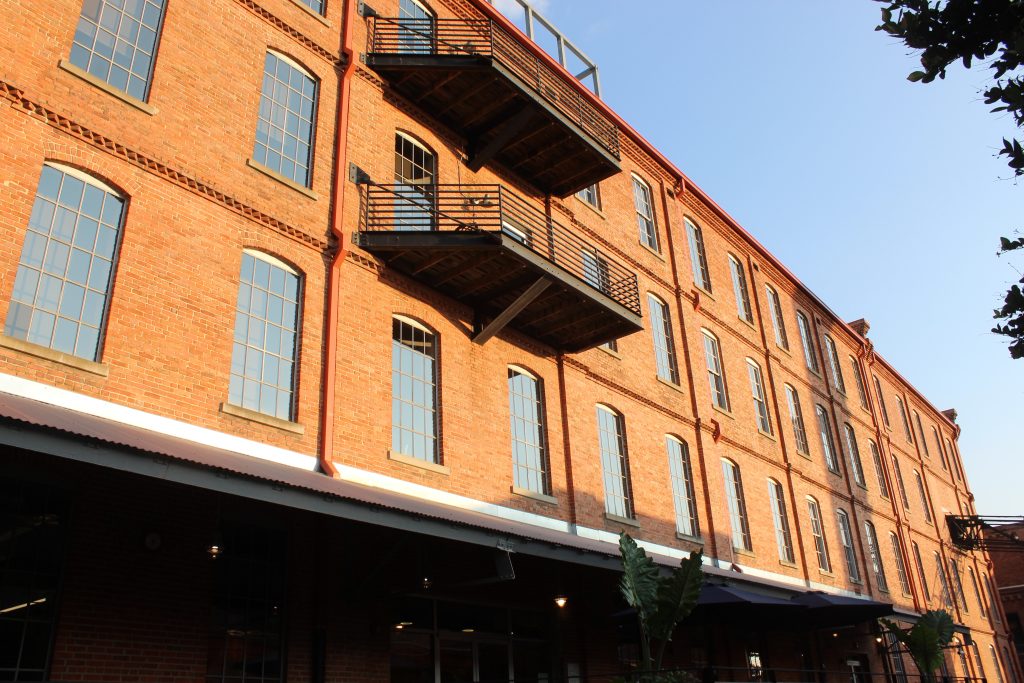
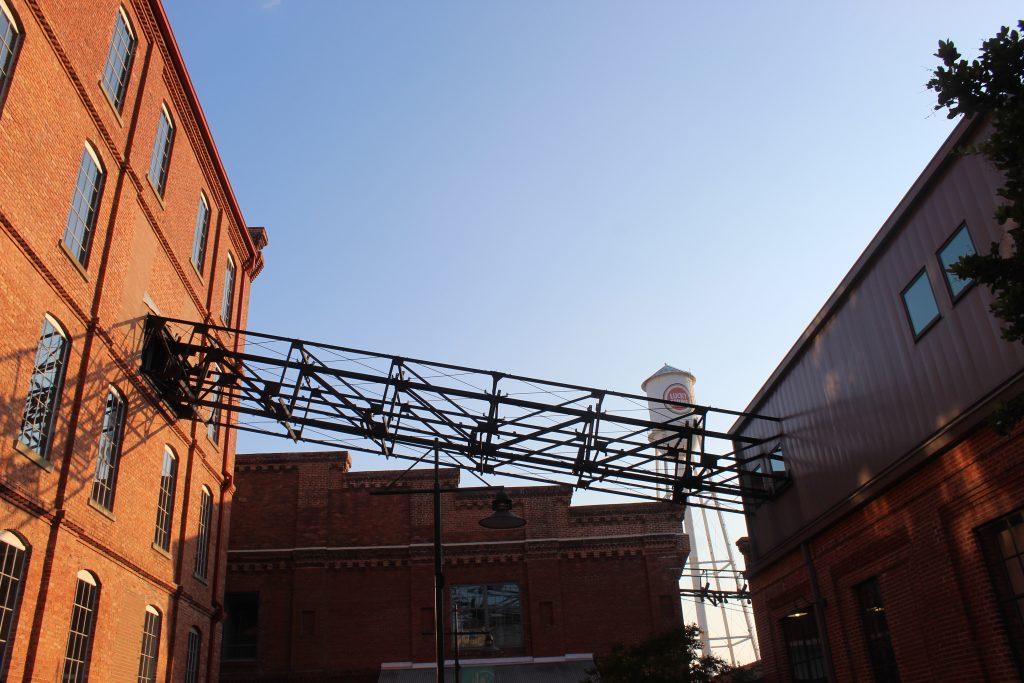
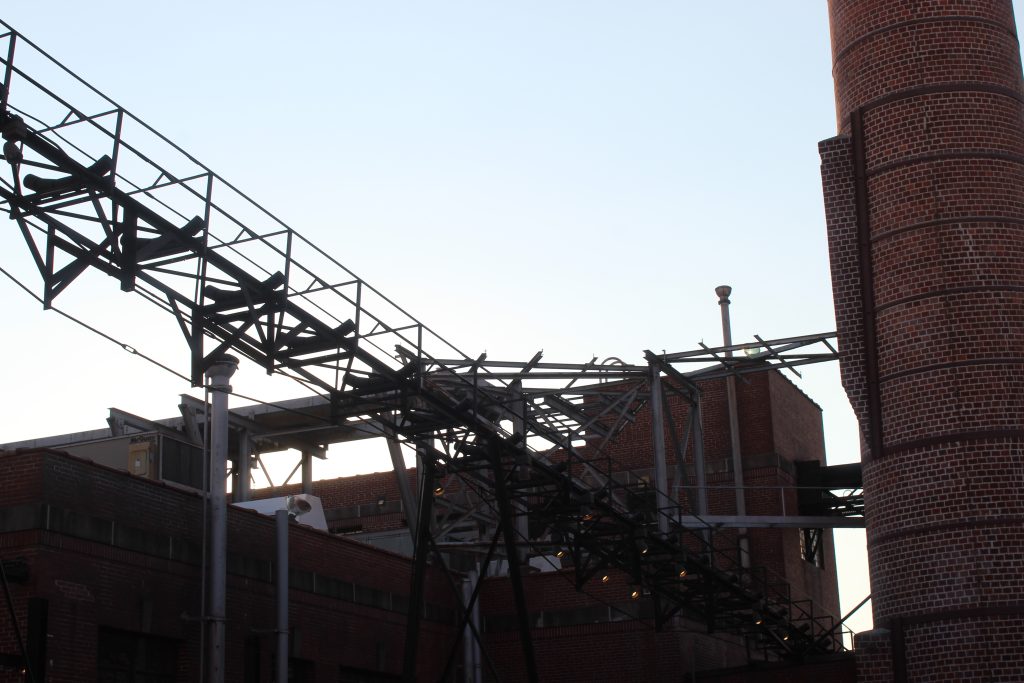
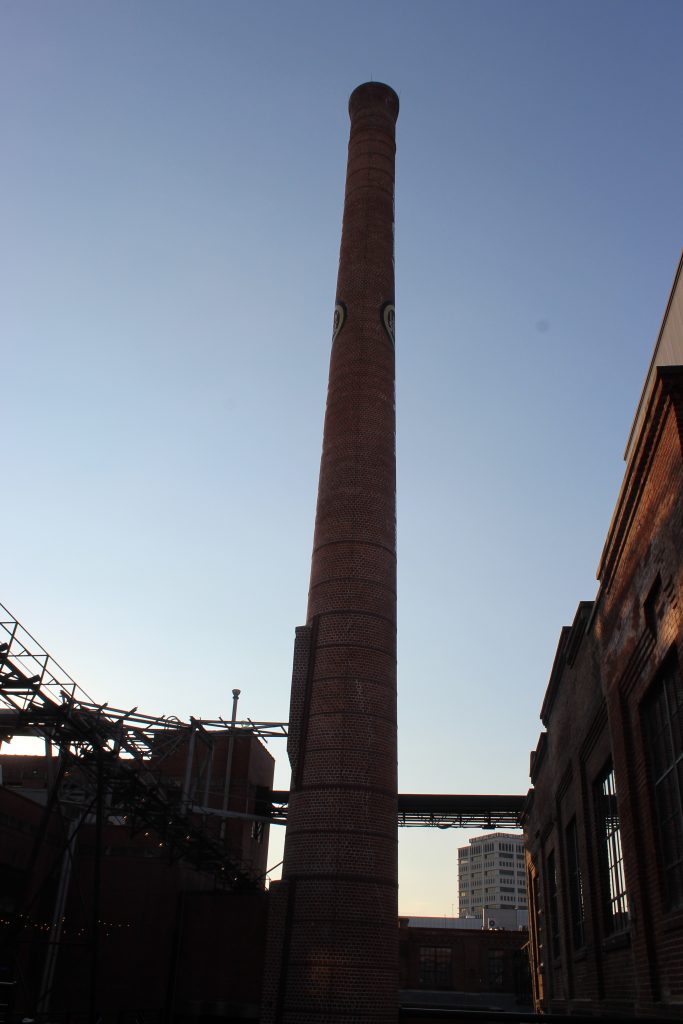
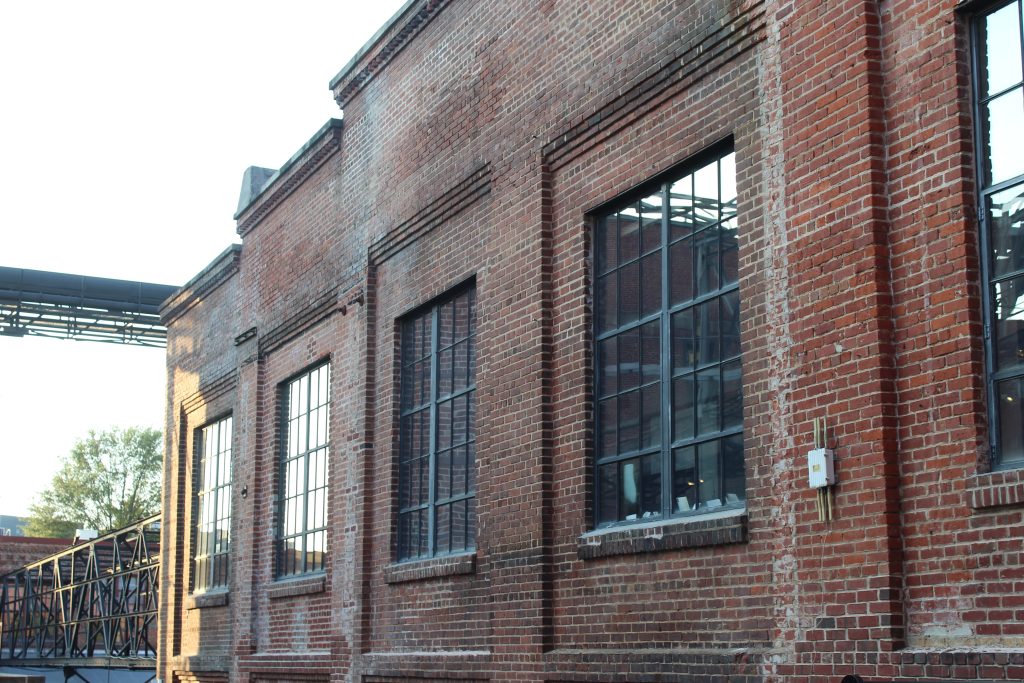
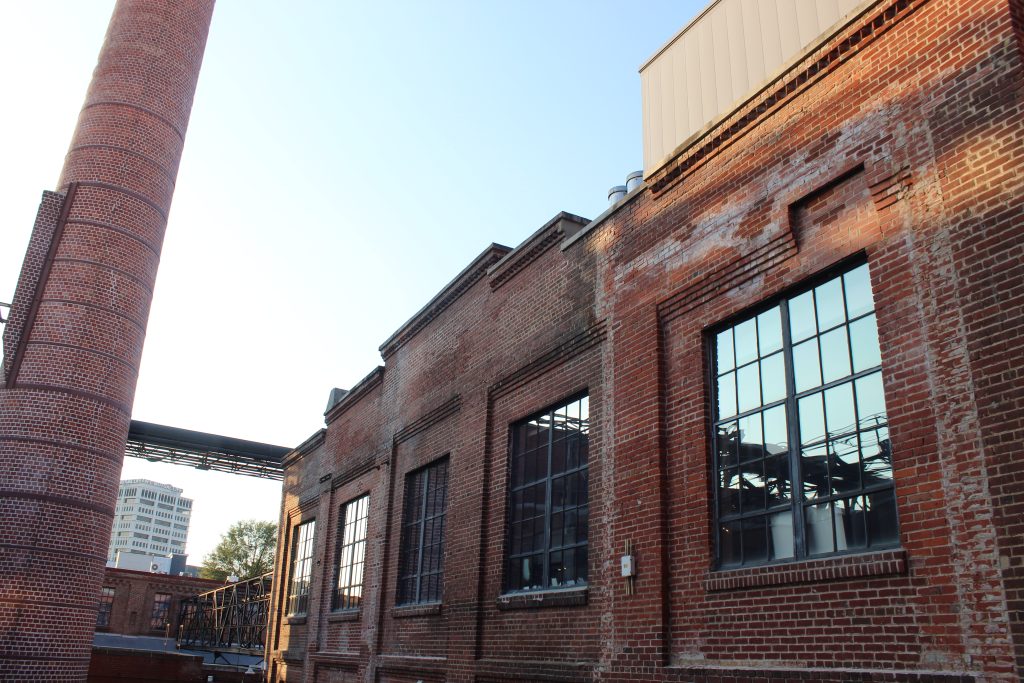
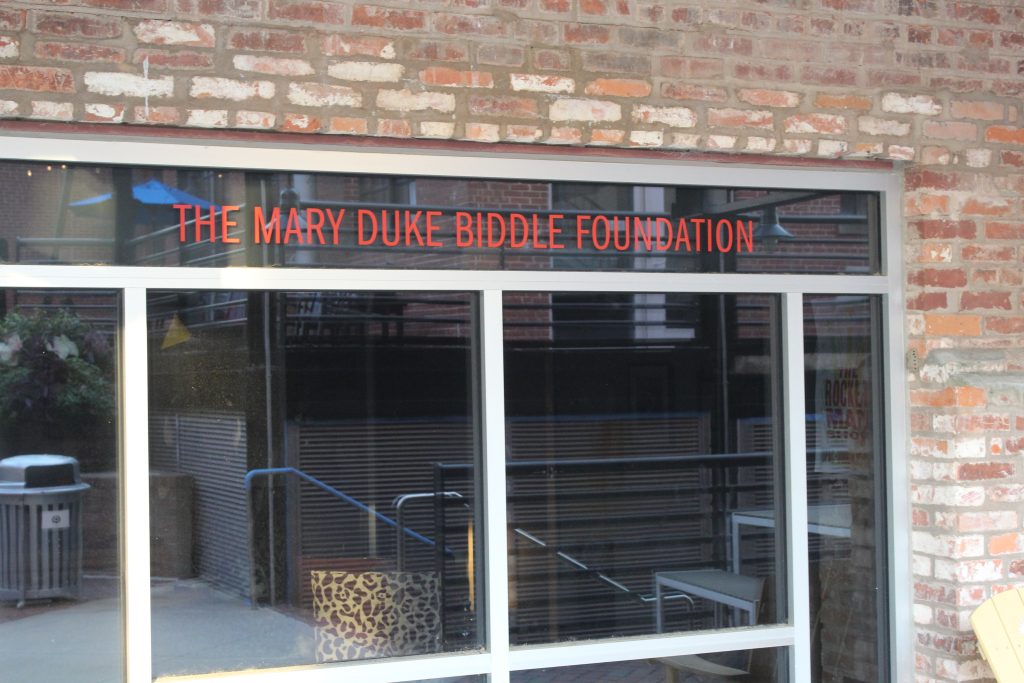
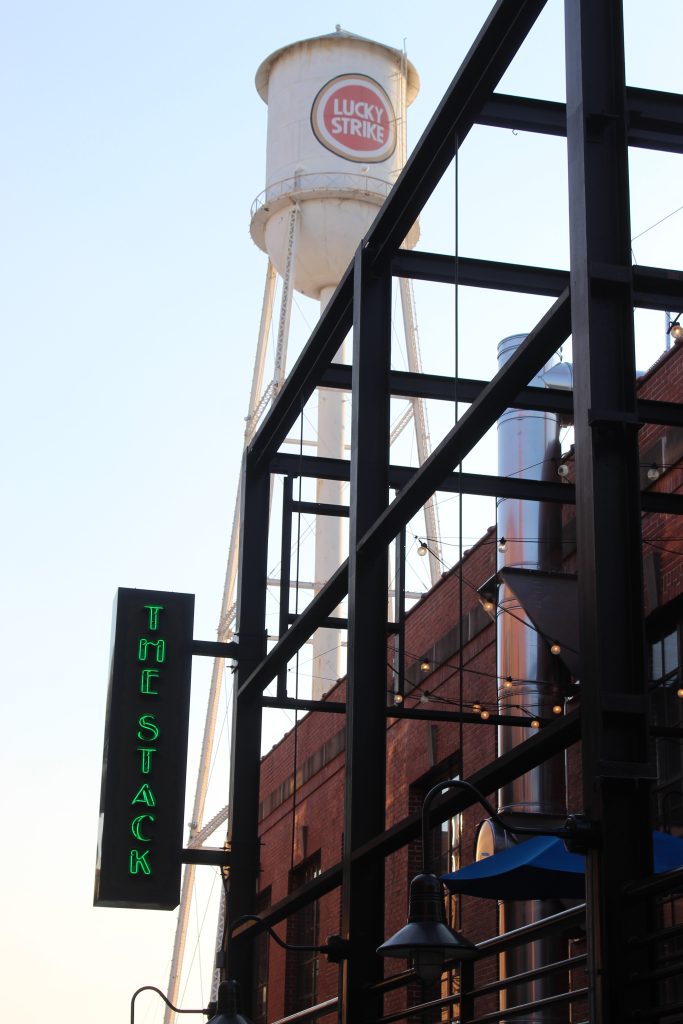
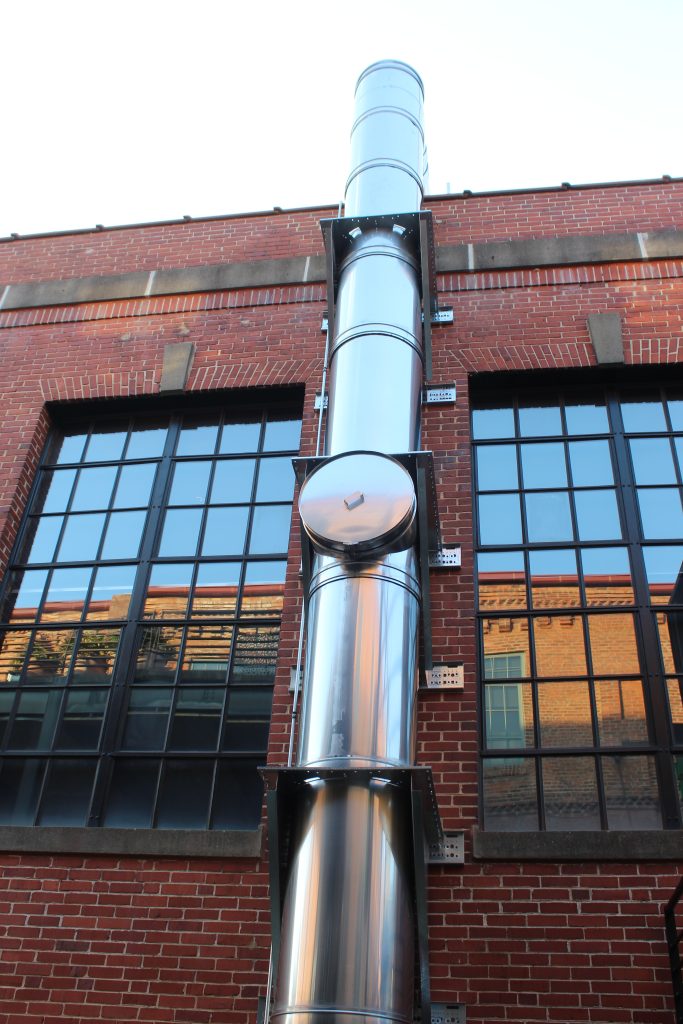
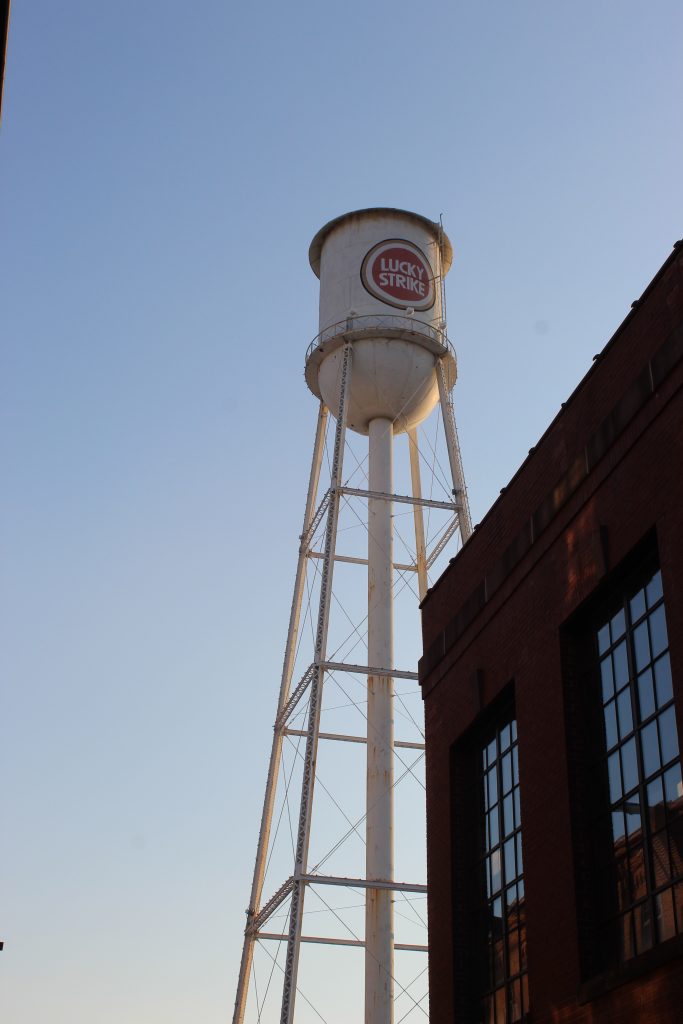
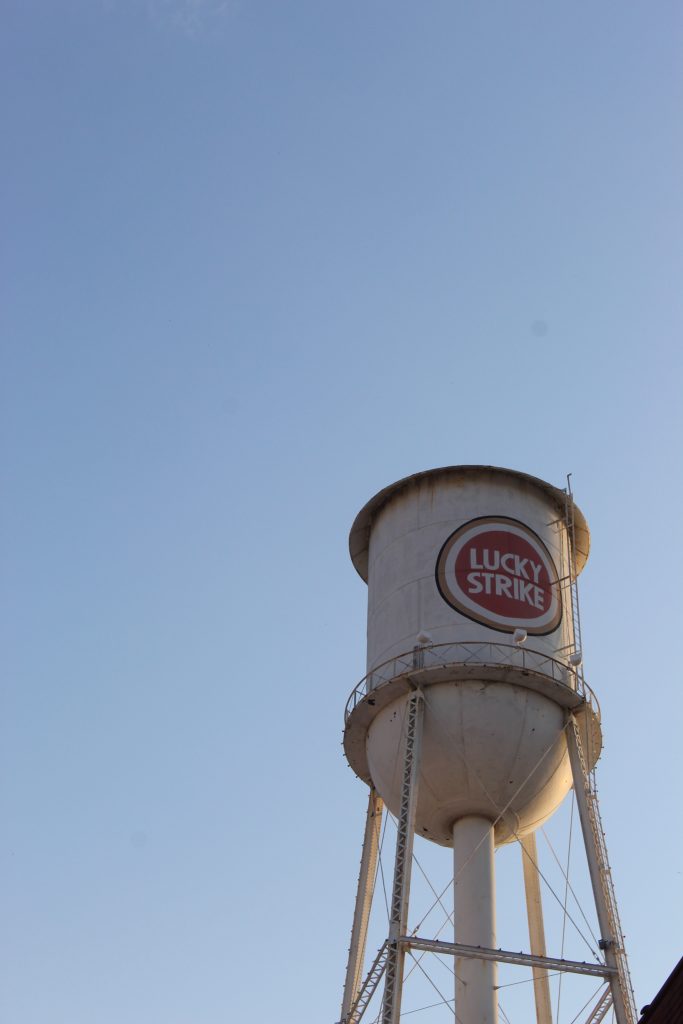
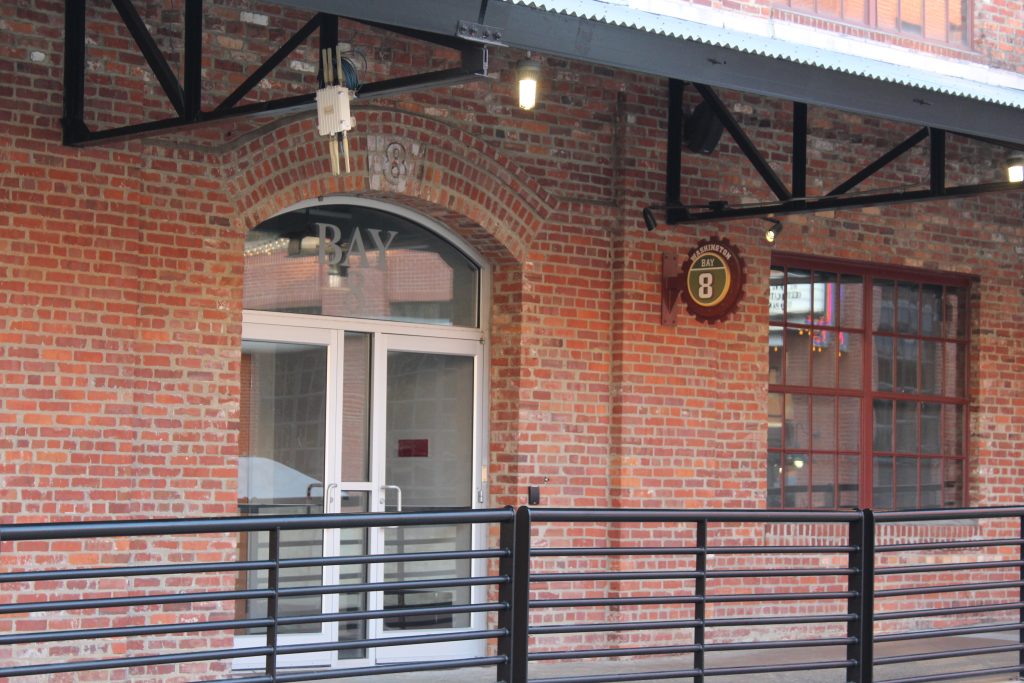
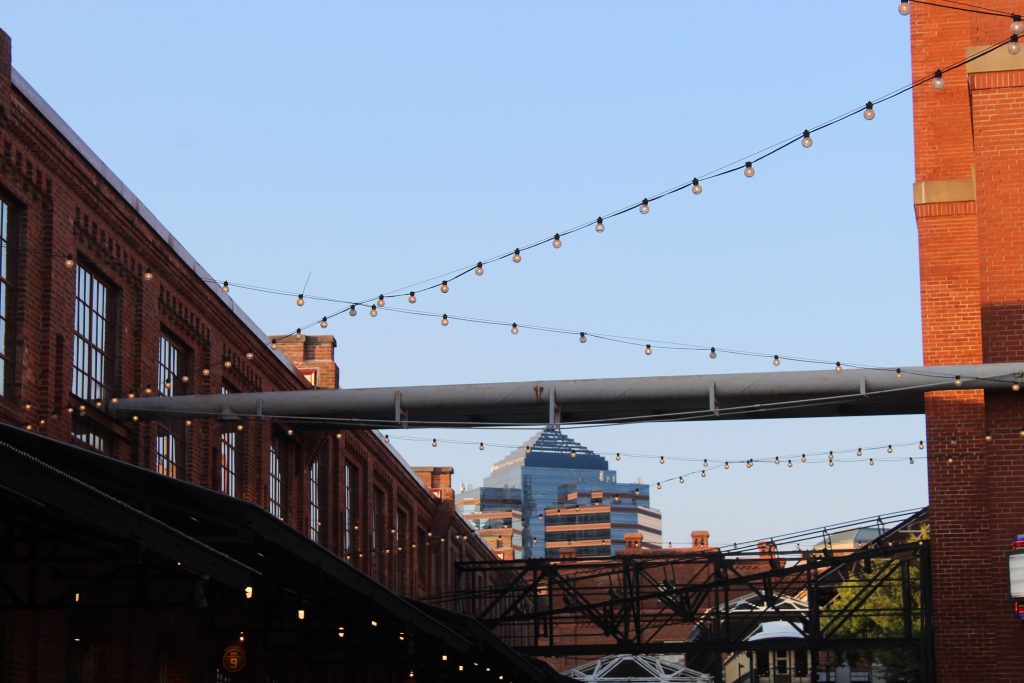
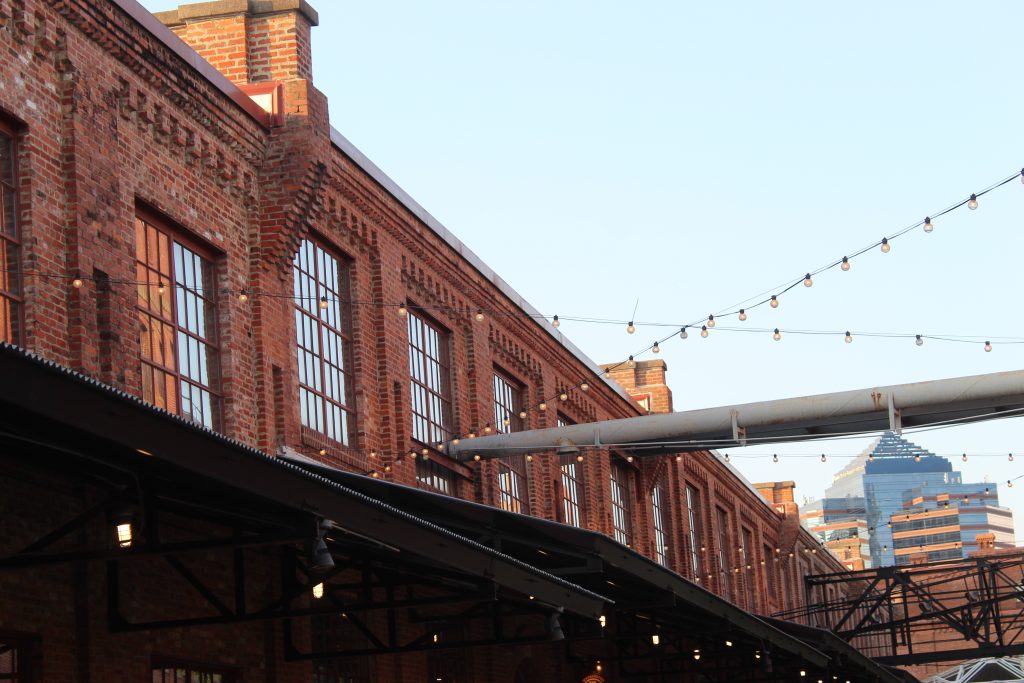
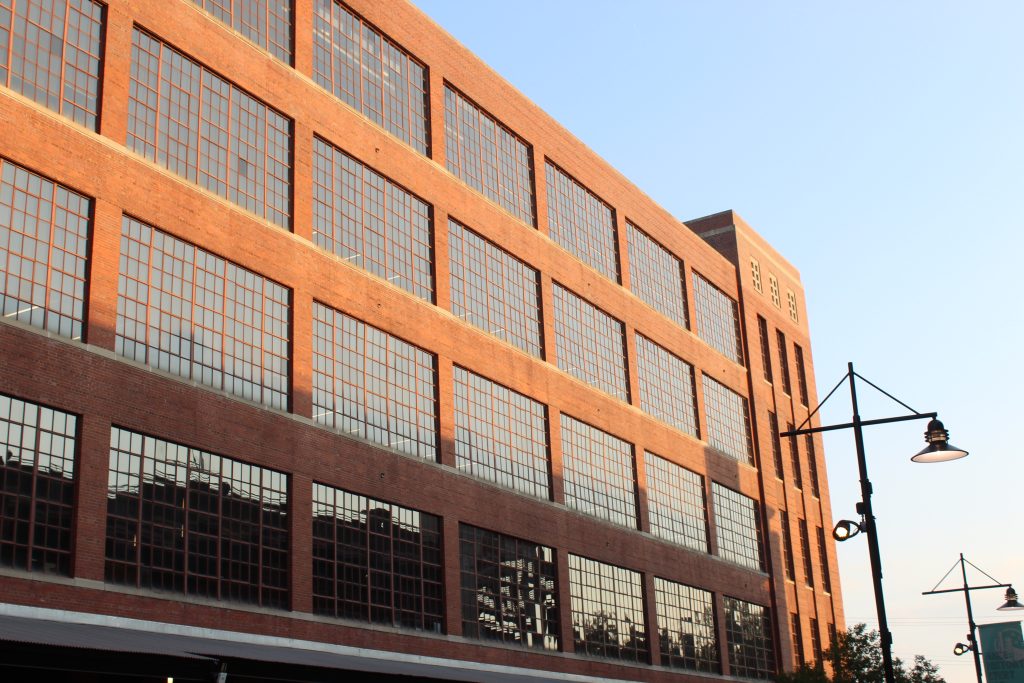
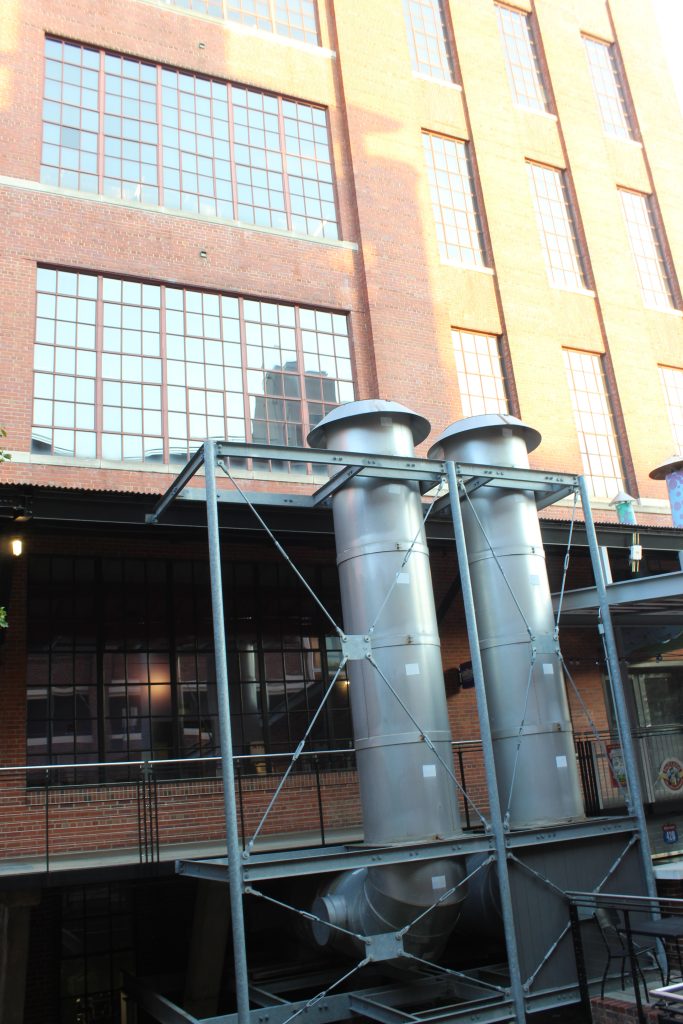
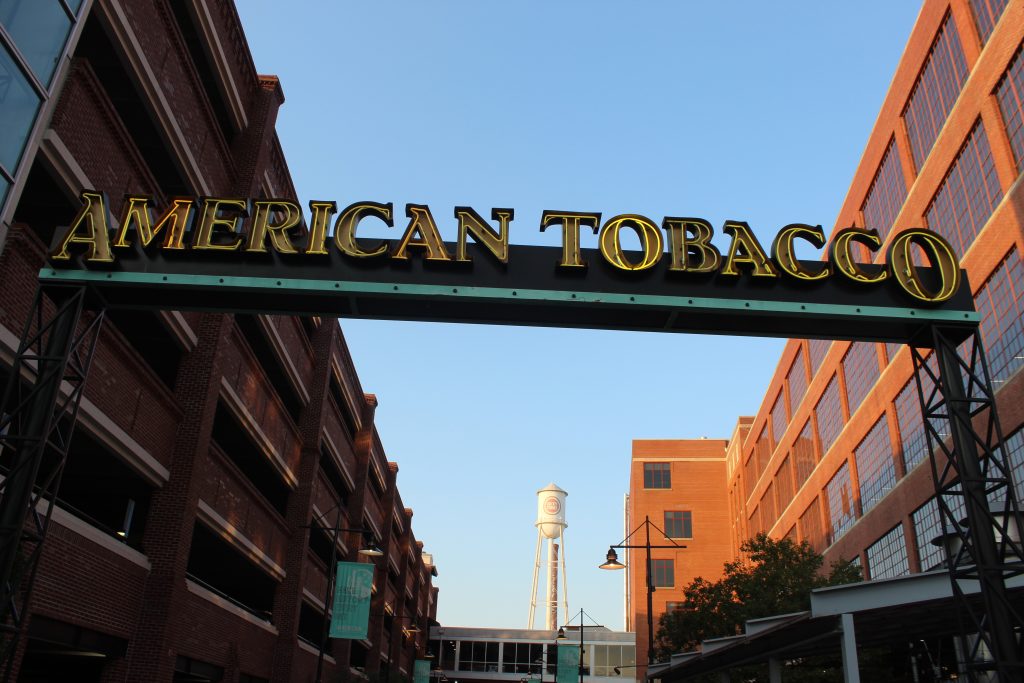
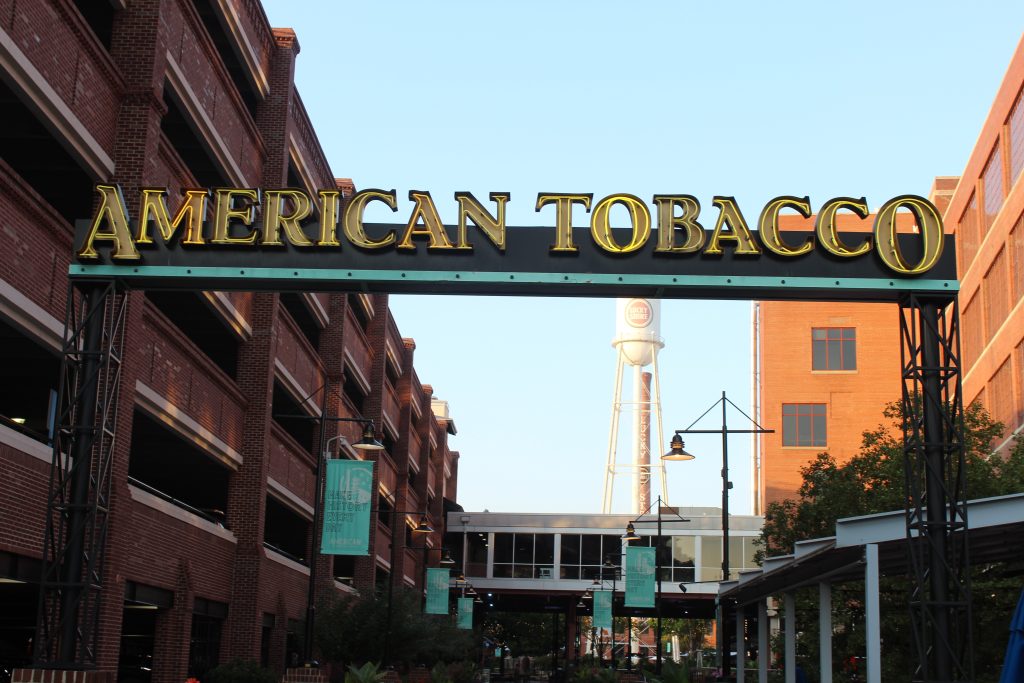
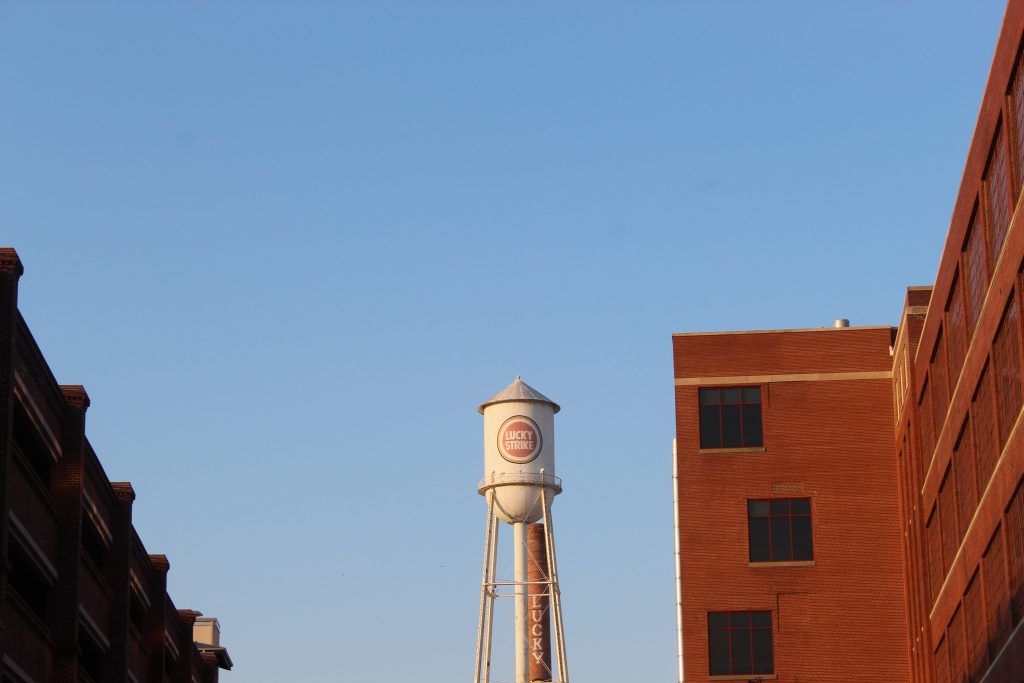
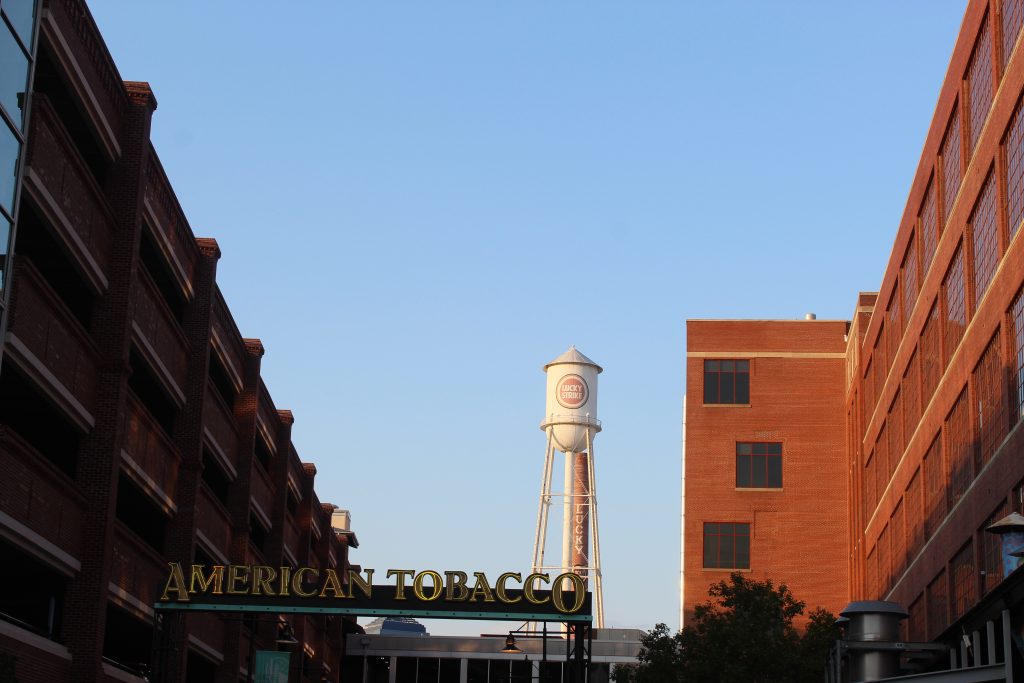
Above the restaurant tables and landscaped walkways are smokestacks. Follow the brick walls and you find rows of enormous factory windows. Look closely enough and there are faded industrial details, old signs and names that belonged to a very different Durham.
That’s when the city begins telling another story.
This wasn’t always a place people came for dinner or drinks. These buildings once belonged to one of the industries that helped make Durham famous across America.
This was tobacco country.
And if you want to understand how a relatively small North Carolina community became an industrial city whose name was known around the country, you have to follow the smoke.
Welcome to Notorious Durham.
It Starts With a Bull
You really can’t tell Durham’s story without a bull.
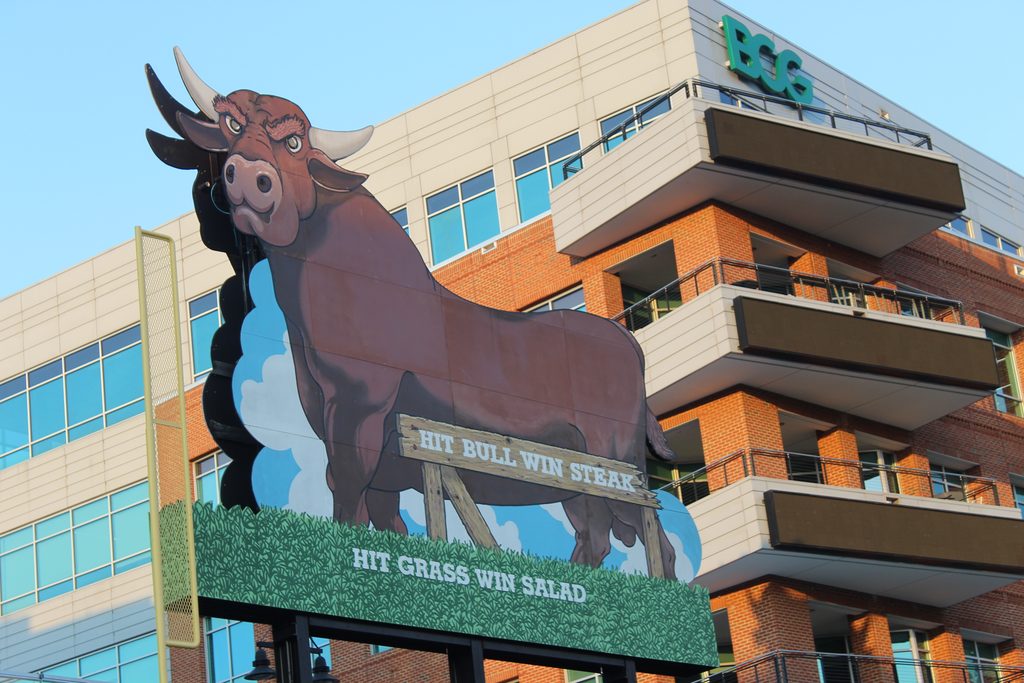
In the years following the Civil War, Durham emerged as an important center of tobacco manufacturing. One of the products that helped put the city on the map was Bull Durham smoking tobacco, produced by W.T. Blackwell and Company. Its bull became one of the great advertising images of its era.
Long before television commercials or social media campaigns, the Bull Durham name traveled far beyond North Carolina. Advertising signs appeared around the country, turning the bull into a nationally recognized symbol and linking Durham itself with tobacco.
There’s something remarkably modern about the story. The companies growing in Durham weren’t simply learning how to manufacture tobacco products. They were learning how to manufacture brands.
The bull helped prove how powerful that could be.
But another Durham tobacco family was about to take that idea considerably further.
The Dukes Build an Empire
Washington Duke returned from the Civil War to his farm near Durham and began rebuilding his life through tobacco. What started as a relatively small operation grew as his sons became involved in the business, particularly James Buchanan Duke.
James Duke saw opportunity in a changing industry. Cigarettes were becoming increasingly important, and mechanization was about to transform how quickly they could be produced. The adoption of the Bonsack cigarette-making machine gave Duke’s operation the ability to manufacture cigarettes at a scale that would have been difficult to imagine only years earlier.
But producing millions of cigarettes doesn’t accomplish much if nobody buys them.
That’s where Duke proved particularly formidable. He understood that mass production needed mass demand. The company advertised aggressively, developed promotions, distributed collectible cards and pushed its brands into markets across the country and eventually overseas.
Factory machinery could make cigarettes faster. Marketing could create customers faster.
The combination helped turn the Duke operation into an industrial powerhouse. In 1890, Duke interests joined with several competitors to create the American Tobacco Company, with James Duke at its head. The company became extraordinarily powerful, controlling a huge share of the American cigarette market before the U.S. Supreme Court ordered its breakup under antitrust law in 1911.
By then, tobacco had helped transform Durham. You can still see the evidence in brick.
An Empire You Can Walk Through
That’s one of the things I love about exploring old industrial districts. History isn’t confined to a display case. You can walk through it.
Durham’s tobacco empire required factories, warehouses, processing facilities, offices and transportation connections. Tobacco leaves and finished products moved through an enormous industrial system, and thousands of people went to work inside it.
Standing among the surviving buildings today, it’s worth trying to imagine what this district once sounded like. Machinery running. Railcars moving. Workers coming and going at shift changes. Trucks and wagons arriving. Tobacco being processed, packaged and shipped to customers who might be hundreds or thousands of miles away.
The fortunes created here didn’t remain inside the factories either. Tobacco money flowed into banking, philanthropy, real estate and education, reshaping institutions throughout North Carolina. The Duke family name would eventually become attached to something far larger and more enduring than a cigarette company: Duke University.
That makes this an easy story to tell as a tale of entrepreneurship and extraordinary success. But that would only be part of it.
The People Behind the Names
Industrial history has a habit of remembering the people whose names appeared at the top of the letterhead.
Duke. Blackwell. Carr.
Walk around a historic district and those are often the names that survive on buildings, plaques and histories. But factories aren’t operated by names carved into stone. They’re operated by people.
Generations of Durham residents worked in the tobacco industry, and Black workers in particular were essential to its success. Their experiences inside the industry could be dramatically different from those of the owners accumulating fortunes from it. Tobacco jobs nevertheless provided income that helped workers support families, build communities and contribute to the growth of Durham’s Black middle class.
That’s an important part of what these buildings represent.
Whenever I wander through an old factory district, I try to look past the architecture and imagine the ordinary routines that once happened there. Someone walked through those doors every morning. Someone stood beside that window. People operated machines, moved materials, packed products, collected paychecks, complained about their bosses, went home tired, raised children and came back the next day.
The buildings weren’t monuments then. They were workplaces.
That human story also makes Durham’s tobacco legacy more complicated. The industry created jobs and enormous fortunes while manufacturing and aggressively marketing products that we now know cause devastating health consequences. The same business ingenuity that made Durham tobacco enormously successful helped spread cigarette use on a massive scale.
History rarely divides itself neatly into heroes and villains. More often it leaves us with ambition, innovation, labor, opportunity, inequality, power, money and consequences tangled together.
Which, frankly, is usually where history gets interesting.
When the Machines Stopped
No industrial empire lasts forever. Companies merge. Technology changes. Production moves. Markets change. Factories that once seemed permanent grow quiet. And then a city has to decide what to do with the enormous buildings left behind.
Durham could have lost much of this landscape. Plenty of American cities did. Old industrial buildings became vacant, deteriorated and eventually disappeared beneath wrecking balls.
Instead, many of Durham’s tobacco buildings found another life.
The former American Tobacco manufacturing complex became the American Tobacco Campus, transforming industrial buildings into offices, restaurants, residences and public gathering spaces. Other former tobacco properties around downtown have also been rehabilitated and repurposed.
The factories didn’t disappear. Their purpose changed. And that’s what makes walking through this part of Durham today so interesting.
Two Durhams in the Same Photograph
I took a lot of photographs while wandering around the district, partly because almost everywhere I looked I could see two versions of Durham occupying the same frame.
In the foreground might be a restaurant patio filled with people. Behind it rises an old brick factory. Someone walks a dog beneath windows where generations of tobacco workers once spent their days. Modern offices occupy buildings constructed for an industry that helped define an entirely different America.
Then there are the smokestacks. I kept looking up at them.
They don’t serve the purpose they once did, but they still dominate the landscape, almost like enormous historical exclamation points reminding everyone that something happened here. That’s the kind of preservation I find most interesting. Cities can’t simply freeze themselves at a particular moment in history. They have to evolve. People need places to live, work, eat, create businesses and gather with one another.
Durham managed to let a new city grow inside parts of the old one. The result isn’t a museum district. It’s vibrant. People are actually using these places again. Yet the past hasn’t been completely polished away. Brick, steel, smokestacks and factory windows still provide the backdrop. The buildings have new lives, but they haven’t entirely surrendered their old identities.
You can enjoy what Durham has become while still seeing what Durham was.
That’s Where Notorious Begins
This is also a good place to explain what I mean when I use the word Notorious.
It doesn’t always mean crime. Sometimes it absolutely does. Believe me, we’ll get there. But the stories that fascinate me are broader than that. They’re the people, places, fortunes, scandals, industries, legends and strange little episodes that reveal the city hiding beneath the city we see today.
They’re the stories that make me stop in front of an old building and wonder:
Wait. What happened here?
Durham’s tobacco district is filled with those questions. There are industrialists and workers, enormous fortunes, aggressive marketing battles, corporate power, antitrust fights, changing neighborhoods and more than a few colorful characters.
So we’ll be coming back.
For now, if you find yourself in Durham, spend some time wandering the old tobacco district. Have dinner. Grab a drink. Listen to the music. Enjoy the patios and the people and everything that makes the area feel alive today.
But every once in a while, stop and look up at the smokestacks. Look at the old factory windows. Notice the names carved into the brick. Then ask the question that almost always leads somewhere interesting:
What happened here?
Because the old city is still there. You just have to know where to look.